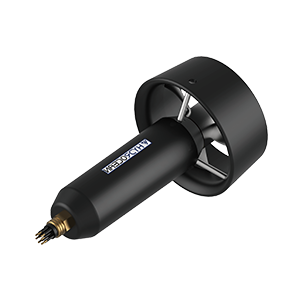
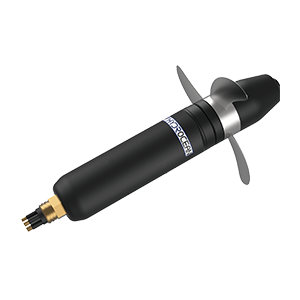
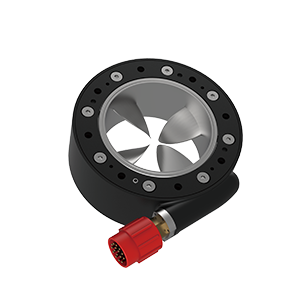
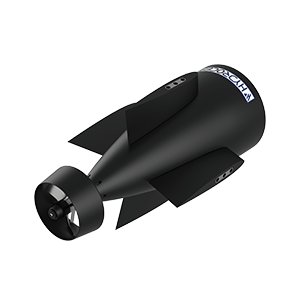
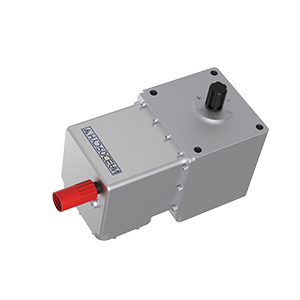
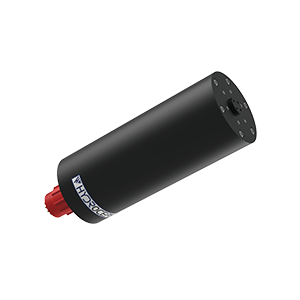
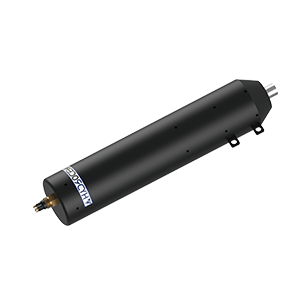
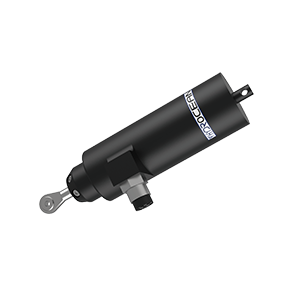


Check the depth rating of the exact actuator configuration you plan to install. Establish whether the actuator will be exposed to water, then verify the water type, target depth, longest immersion, housing and connector conditions. The quote and drawing should refer to the same configuration.
Dry enclosure or external immersion?
For an actuator inside a dry enclosure, check the internal environment, heat dissipation and how the motion reaches the mechanism. Where a shaft, linkage or cable crosses the enclosure wall, verify the sealing and pressure requirements at that interface. For external immersion, check that the housing, dynamic seals, connectors and cables are suitable for the same operating conditions.
For an external installation, give the supplier the working depth and water type. Ask which pressure-resistant housing or pressure-compensated configuration meets the requirement. Confirm how long it may be immersed and under what conditions it can start and stop. If the specification only lists IP68, ask for the test conditions and operating limits for that configuration. IEC 60529 classifies enclosure protection. Use the equipment data to verify working depth.
Read the depth rating by configuration
| Configuration in the product data | Published conditions | What to verify |
|---|---|---|
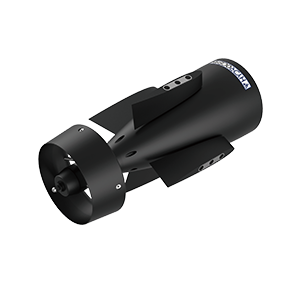
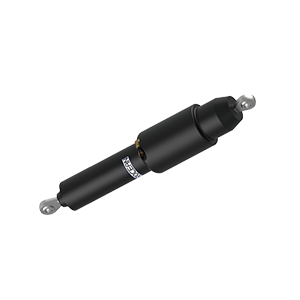
| TG050 titanium pressure housing | Seawater, 0–300 m | Confirm the supplied housing, connector and operating conditions |
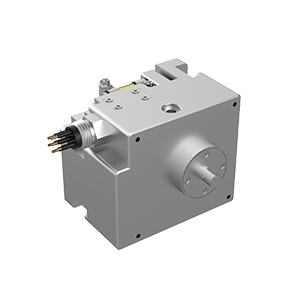
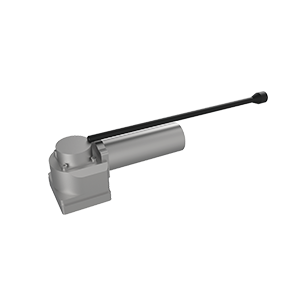
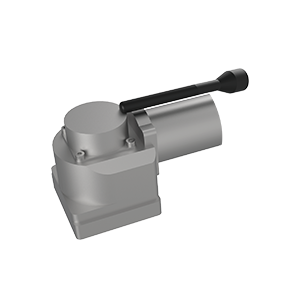
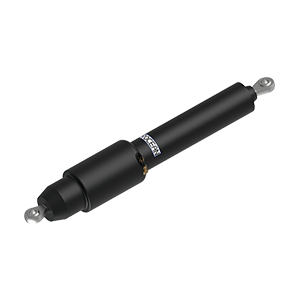
| ST030 aluminium pressure housing | Freshwater, 0–1200 m | Confirm a suitable configuration separately for seawater |
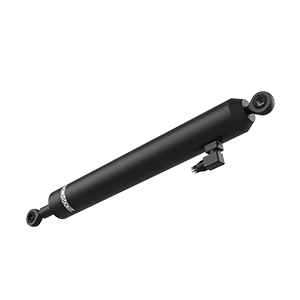
| Other ST030 aluminium configuration | Listed for a seawater setting, without a pressure rating and not waterproof | Use an installation isolated from the water. External immersion requires a suitable alternative |
Use the 1,200 m figure for the freshwater pressure-housing configuration listed in the ST030 table. For a seawater quote, include the water type, whether the actuator will be immersed and the proposed housing so the supplier can identify a suitable configuration and its verification conditions.
What to include in a configuration request
Specify depth, water type, longest immersion per deployment, internal or external mounting, operation under load and cycle frequency. Ask the supplier to identify the housing material, connector, cable conditions and the depth and duration covered by pressure or immersion verification. Have the reply reference a configuration code or drawing revision.
References
TG050 configuration table https://hydrocean.net/200w-12v-36v-electric-joggers-hydrocean-tg050.html
ST030 configuration table https://hydrocean.net/st030-steering-engine.html
IEC 60529 enclosure protection classification https://webstore.iec.ch/en/publication/2452
ROV and AUV actuator selection guide https://hydrocean.net/articles/geo-3f42e82b-e5d6-4e2a-b1f2-53c55b725138.html