


WAVE-POWERED GLIDER
Long-Endurance Unmanned Surface Vehicle for Ocean Monitoring, Maritime Surveillance & Remote Sensing
1.5-3
kts
What is Wave Glider?
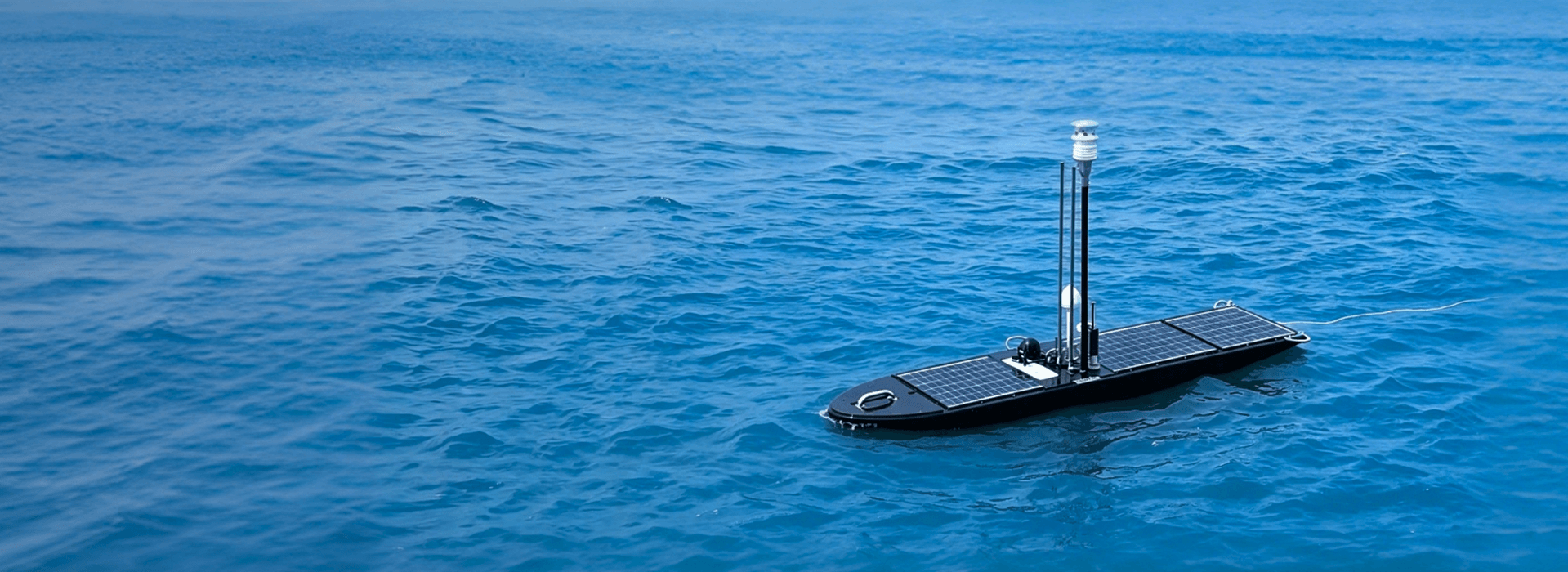
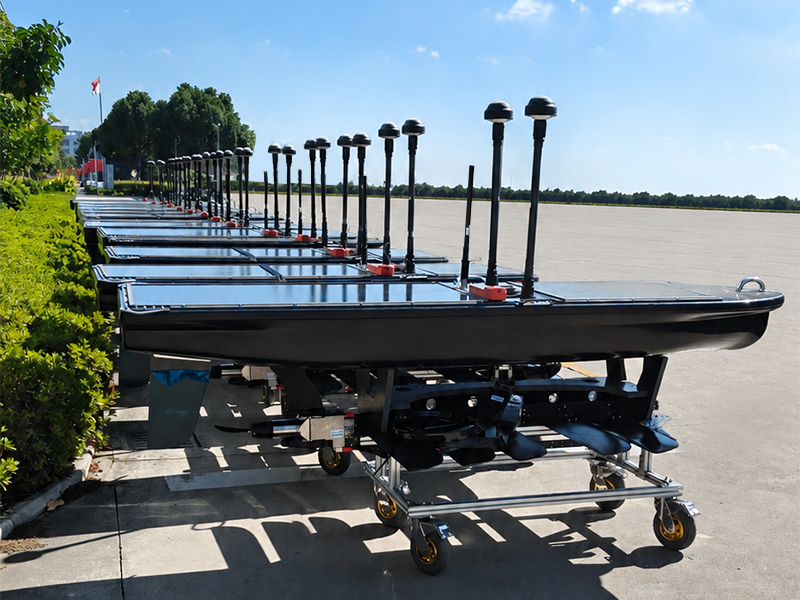
Wave glider is a special type of unmanned surface vehicle (USV). Once deployed, it can operate covertly for up to six months. Powered by solar and wave energy, it achieves virtually unlimited endurance. Equipped with mission payloads, it can perform autonomous search, autonomous station‑keeping, and autonomous approach missions in target sea areas and key shipping lanes for intelligence gathering purposes.


Key Features of the Wave Glider
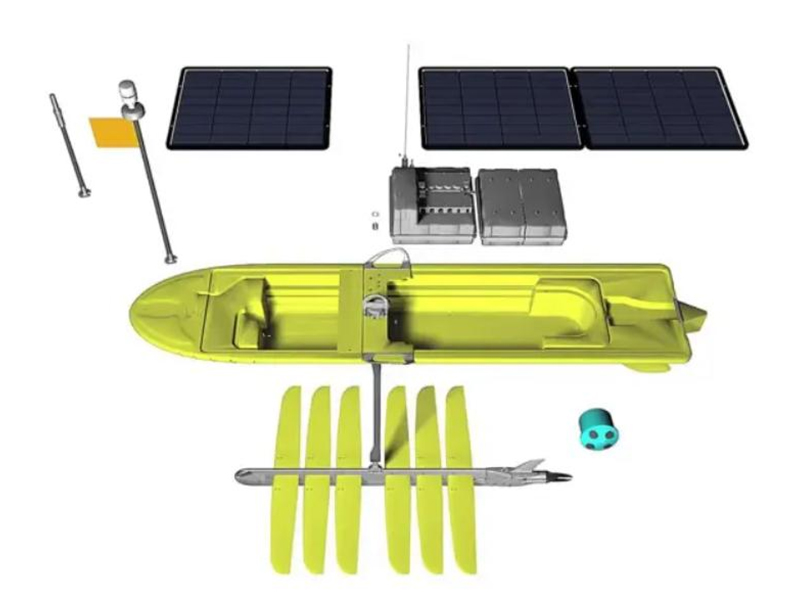
Surface vehicle
Equipped with solar panels, communication equipment, and payloads for surface/air environment detection.
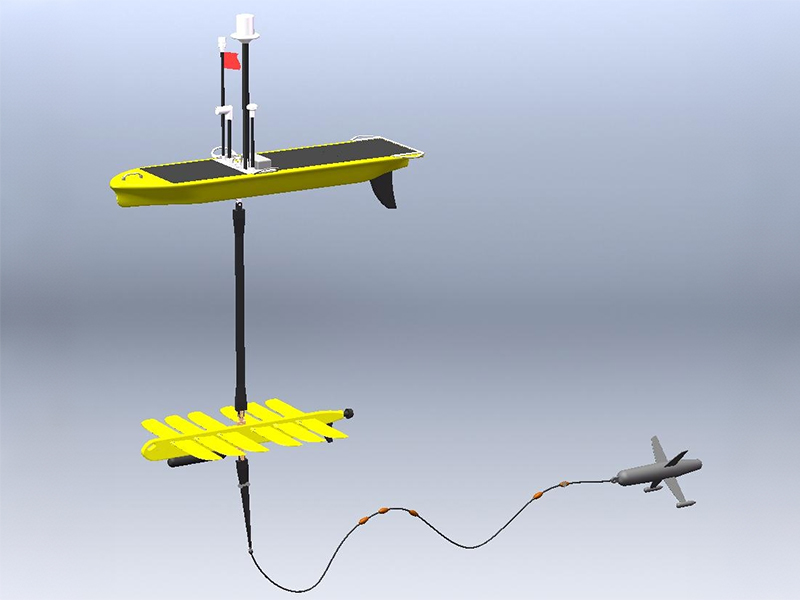
Underwater wave glider
Propels the surface vehicle and the glider for autonomous navigation, and carries underwater detection and communication payloads.
Platform parameters
Surface vehicle length: 2.9 m;
endurance ≥ 10,000 km (equivalent to 6 months).
Mission statement
Capable of carrying ocean monitoring or electromagnetic space reconnaissance (ZC) payloads such as weather stations, CTD (conductivity, temperature, depth) sensors, ADCP (acoustic Doppler current profilers), underwater acoustic communication modems, fiber‑optic arrays, and acoustic vector detectors. It can be deployed for long‑endurance covert station‑keeping in critical maritime areas or key shipping lanes, and operate in large‑scale swarms to acquire comprehensive intelligence from all dimensions.
How Does a Wave Glider Work?
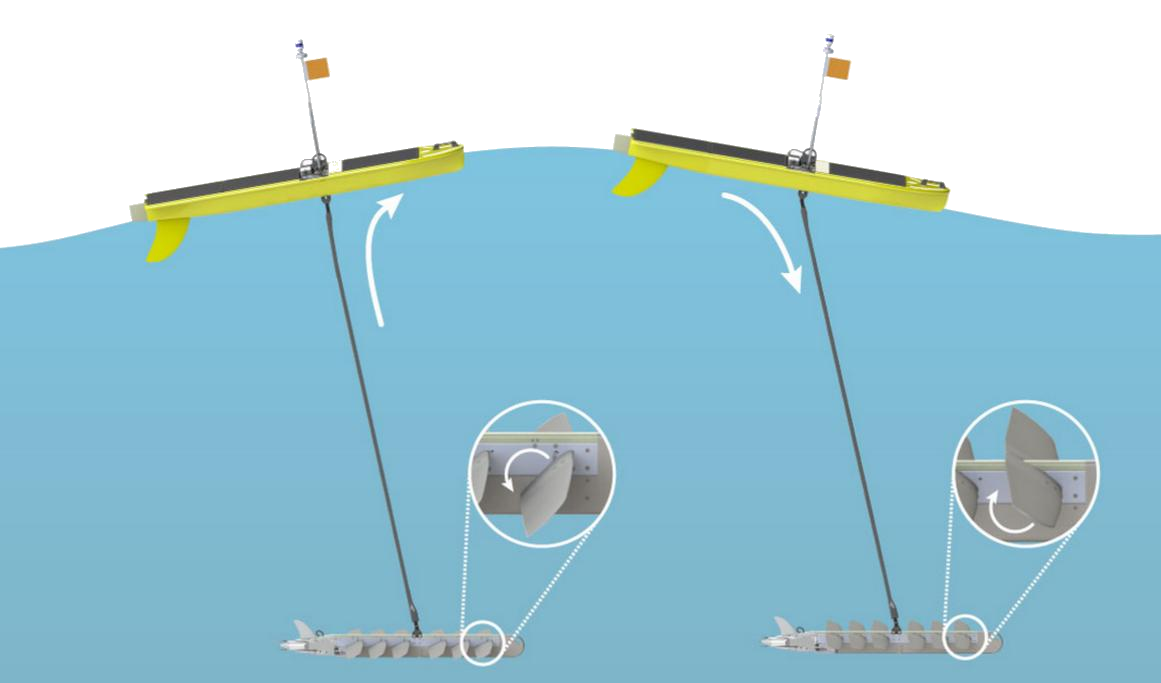
The wave glider uses wave energy as its power source and solar energy as its electricity source. It offers advantages such as long endurance, long travel distance, low maintenance cost, suitability for high sea states, simple deployment and recovery, no dependence on fossil fuels, and a small radar cross‑section.
It mainly consists of a surface float (or surface vehicle), an underwater propulsion vehicle (or sub‑wing), and an umbilical cable. As waves undulate, the surface float pulls the underwater propulsion vehicle upward and downward. During this vertical motion, the underwater vehicle generates horizontal kinetic energy, which drives the surface float forward in the horizontal direction.
Technical Specifications of Wave-Powered Ocean Gliders
| Dimensions of the surface vessel (L x W x H) | 2.9m *0.7m *0.25m |
| Dimensions of the underwater propulsion unit (L x W x H) | 2.1m *1.4m*0.2m |
| Length of the umbilical cable | 7-8m |
| Total weight | 120Kg(Without load) |
| Flight Duration | 6 months |
| Cruising Speed | 1.5–3 knots (under electric propeller operating conditions) |
| Payload | 60~90Kg |
| Solar power output | Max:220W |
| Battery capacity | Standard: 3.4 kWh Range: 1.2/2.4/3.4/5 kWh |
| Electrical control power | 10W |
| Average equipment power | 20W |
| Rated power of the propulsion propeller | 50W |
| Communications | Beidou/Tiantong/Iridium Radio (optional) |
| Control | Course-holding/Track-tracking/Route planning Autonomous obstacle avoidance, status monitoring and alerts Energy optimization management system |
| Security | Encrypted communication software or encryption device Supports data self-destruction and vessel self-sinking |
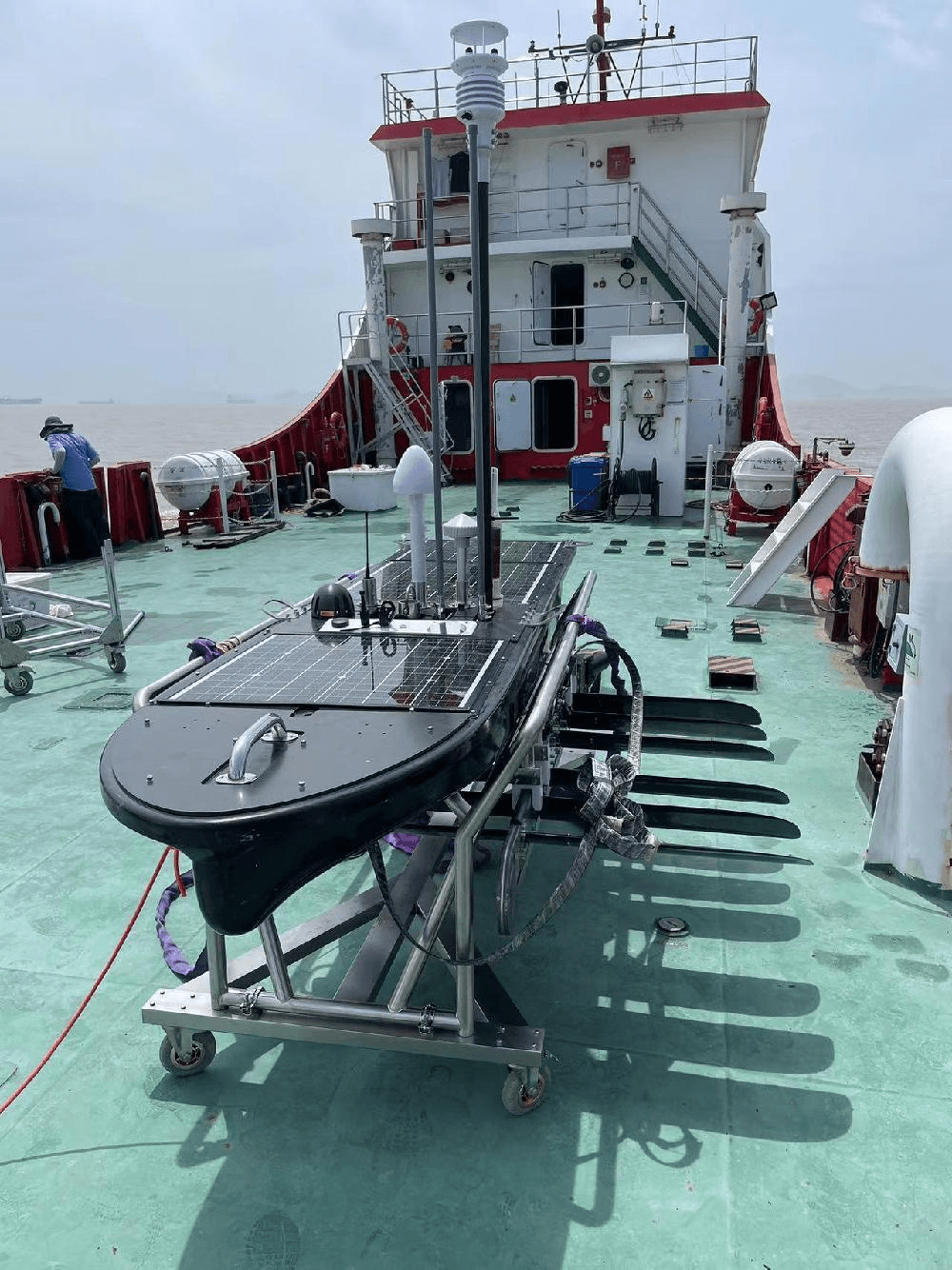


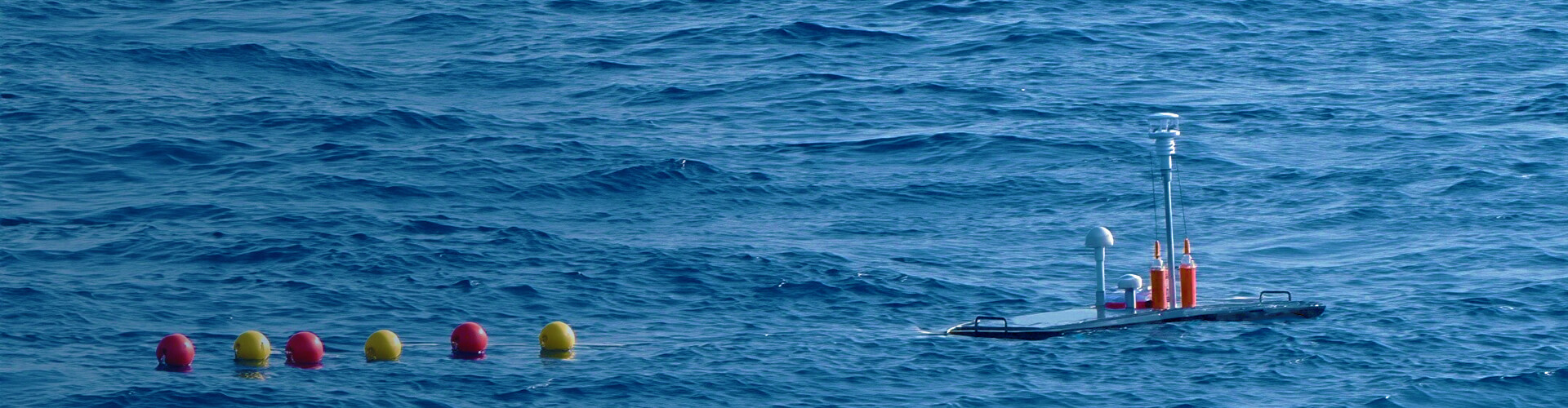
Payload Integration Capability
Equipped with marine environmental observation payloads
Equipped with visual recognition and underwater acoustic communication payloads
Equipped with underwater acoustic detection payloads
Equipped with Iridium reconnaissance payloads
Equipped with other specialized reconnaissance payloads and equipment
